Contact Us
Slot games look simple on the surface, but the strongest ones are built on very deliberate psychological mechanics. Players don’t just spin reels — they chase emotions: anticipation, hope, surprise, and the feeling that something big is about to happen.
Below are the key mechanics that consistently attract players and keep them coming back to slot games.
1. Near Miss Effect (Almost Winning)
One of the most powerful mechanics in slots is almost winning.
Examples:
two Scatter symbols land, the third stops just above the reel
big symbols align except for one position
Wild appears right next to a winning line
Even though the result is a loss, the brain reads it as:
“I was close. Next spin might be it.”
This dramatically increases replay rate.
Important:
Near misses must feel natural. Overusing them makes the game feel manipulative.
2. Big Win Moments (Emotional Peaks)
Players don’t remember average spins.
They remember Big Wins.
Strong Big Win mechanics include:
multi-stage win animations
escalating counters (Win → Mega Win → Epic Win)
camera zoom, screen shake, sound crescendo
The goal isn’t just to pay — it’s to create a peak emotional moment that players want to experience again.
3. Wild Symbols as Hope Triggers
Wilds are not just functional symbols. They are emotional anchors.
Why they work:
they signal potential
they visually stand out
they imply “this spin can still turn around”
Expanding Wilds, Sticky Wilds, or Walking Wilds extend this feeling across multiple spins, increasing tension and engagement.
4. Bonus Teasing Without Immediate Payout
Good slot design constantly says:
“You’re not in the bonus yet — but you’re close.”
This is done through:
locked bonus symbols
progress meters toward Free Spins
partial activation of features
Even when the bonus doesn’t trigger, anticipation itself becomes the reward.
5. Free Spins as a Separate Emotional Mode
Free Spins are not just extra spins — they are a psychological state change.
Successful Free Spins:
look visually different
have altered music and pacing
introduce new mechanics or multipliers
Players feel:
“Now I’m in a special mode. Anything can happen.”
This separation makes the base game feel like preparation and Free Spins feel like payoff.
6. Volatility Illusion (Risk vs Reward)
Most players don’t understand RTP or volatility numbers — but they feel them.
What attracts different player types:
frequent small wins → comfort and safety
rare big wins → excitement and risk
Strong slots balance both by:
giving regular feedback
occasionally delivering unexpected spikes
The illusion of control over risk keeps players spinning.
7. Visual Weight and Symbol Hierarchy
Not all symbols are equal — and players instantly feel that.
High-value symbols:
are larger or more detailed
animate more
have stronger contrast
When a premium symbol lands, the brain immediately flags it as important, even before the result is known.
8. Sound Design That Reinforces Wins (and Losses)
Slots are played as much with ears as with eyes.
Effective sound design:
builds anticipation before reel stop
emphasizes wins with layered audio
softens losses to reduce frustration
Silence or poor audio feedback kills emotional engagement fast.
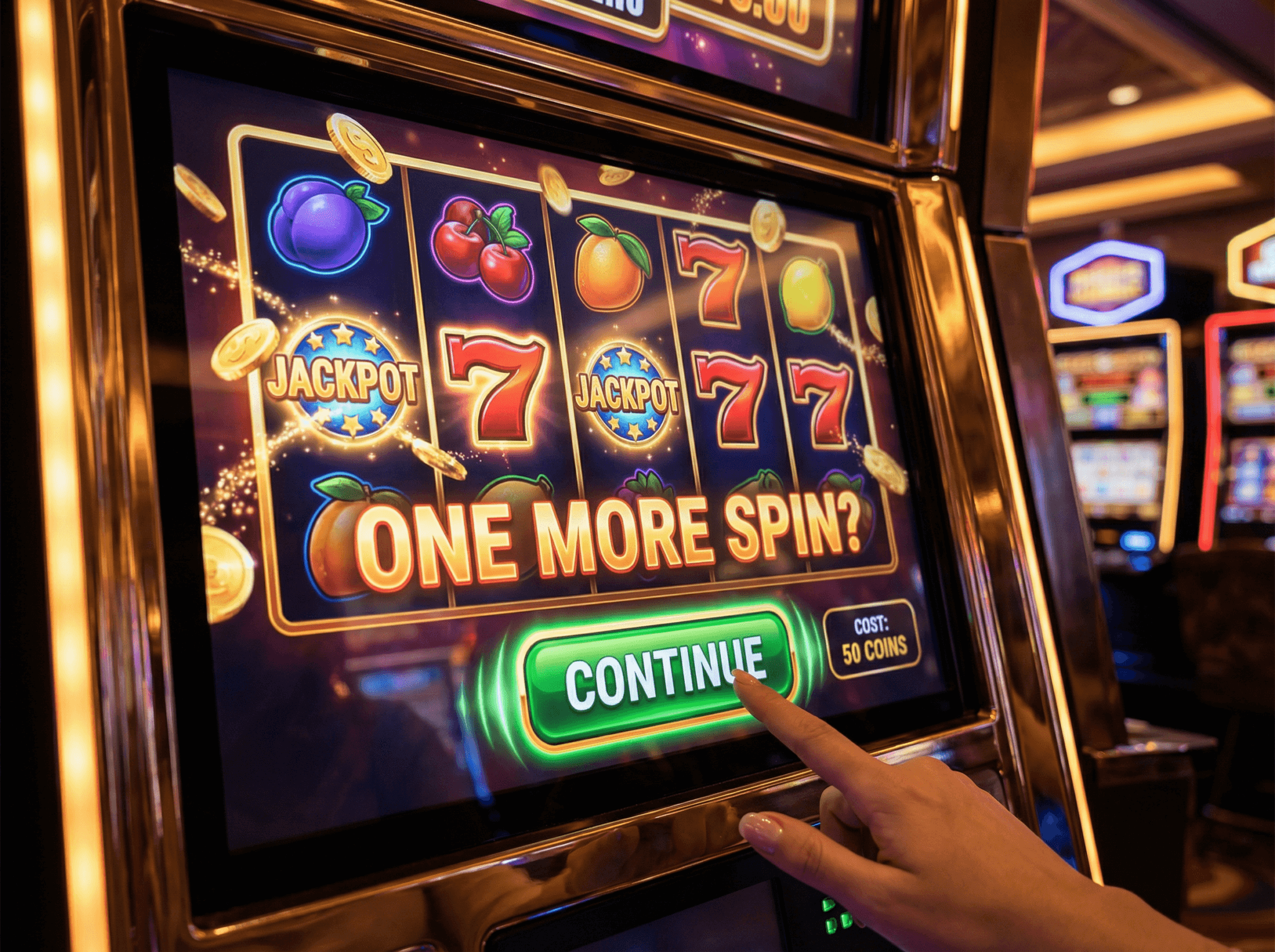
9. “One More Spin” Loop
The strongest slot sessions end with:
unfinished progress
visible near-miss
partial bonus activation
The player leaves thinking:
“Next spin could be the one.”
That thought is the core of slot retention.
Conclusion
Slot players are not chasing logic.
They are chasing feelings.
The mechanics that truly attract players:
near misses
strong Big Win moments
emotionally charged Wilds
teased bonuses
distinct Free Spins modes
controlled risk perception
A successful slot doesn’t just pay out.
It tells a story of anticipation, tension, and release — every few seconds.